SOCIAL CONNECTIONS SUMMIT 2026 Virtual · Sept 23–24 · For neurodivergent professionals
save 5% when you join our Mailing List
Looking for informed and entertaining guests?
Invite our speakers to be your guest.
Social Connections Summit 2026 is a 2-day summit for late-identified neurodivergent professionals creating a life that works with their brain. It takes place September 23 & 24.
We have a full roster of confirmed speakers, each with a distinct, concrete story about navigating neurodivergence at work and in life.
They're ready to talk on your show before or after the event.
There is no cost to invite them to your podcast.
Browse through the speakers below.
Use the template at the bottom of the page to send an invite.
Keynote Speaker
Day 1 opener · 30-minute talk + 15-minute Q&A
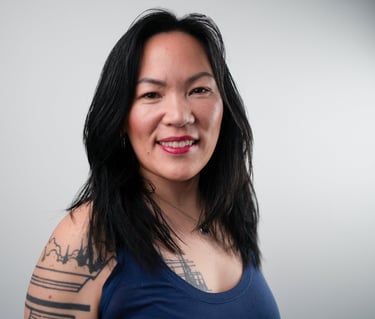
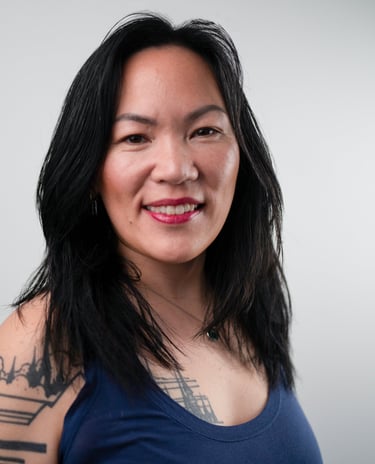
Vivian Ip is a neurodiversity-affirming coach and educator. She has spent years guiding late-identified ADHD and autistic professionals who already have the label and the language but still can't figure out why work, relationships and life still feel so hard.
Her keynote goes past "what is masking" and into how culture, privilege, and professional adaptation built the identity you're now trying to untangle.
Vivian Ip
(She/Her)
Neurodiversity-affirming coach and educator
Email: vivian@tuesdaycoaching.com
Lightning Talks
8 minutes. One sharp, focused idea
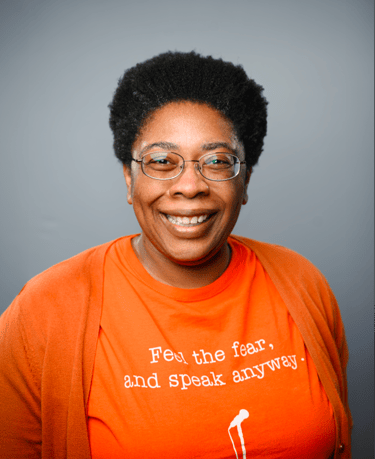
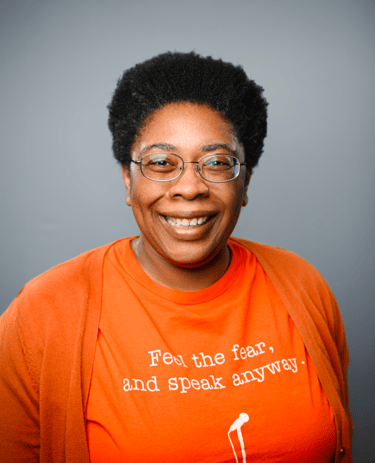
Her talk looks at what happens when you stop hiding the parts of your brain that don't match the room. For Mahlena-Rae, that includes being an immigrant navigating a culture designed around someone else. For you, it might be neurodivergence plus something else entirely. You'll leave with a way to bring your real voice into the room and trust it.
Mahlena-Rae Johnson
(She/Her)
Conference Speaker Optimizer, Mr. J Media
Email: mahlena@yahoo.com
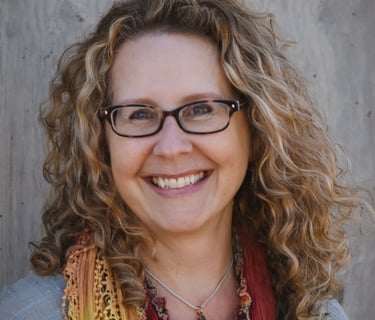
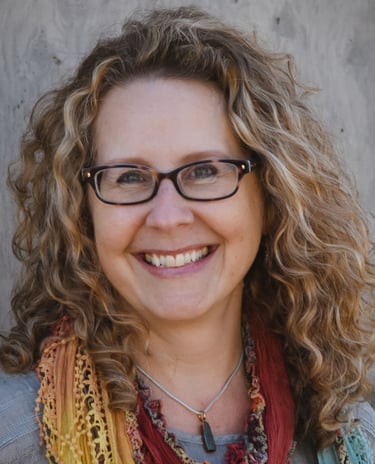
Rachel's book, Perceptive, argues traits like heightened empathy and a strong sense of justice function as leadership assets, the kind that come with real challenges attached. Her talk makes the case that the qualities you've been masking to fit in are the ones your team, your family, and your future actually need from you.
Rachel Radway
(She/Her)
Leadership & Executive Coach, Principal of RER Coaching
Email: rachel@rercoaching.com
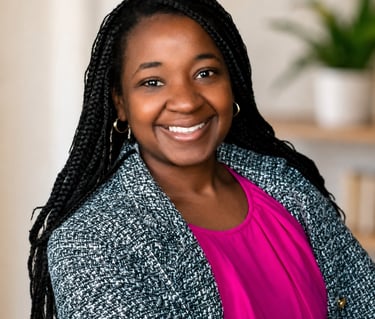
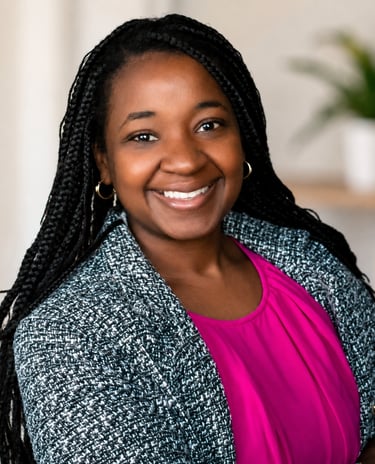
Her talk, "Find the Friction," reframes recurring neurodivergent struggles as signals of a mismatch with your environment, not personal failure. For the reader who understands what they're supposed to do and can't work out why it doesn't stick, this relocates the problem from the person to the environment.
Brittany Carter
(She/Her)
Experience Design Strategist & Founder, Mostly Regulated
Email: mostlyregulatedb@gmail.com
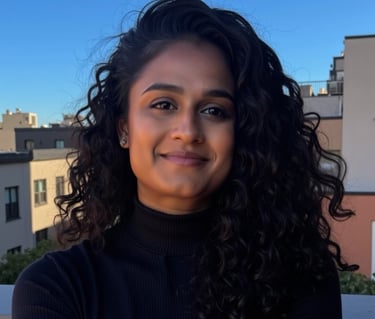
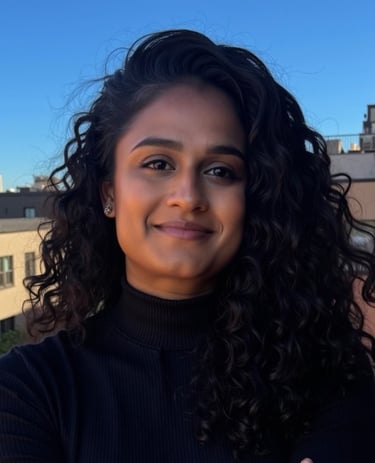
Her talk connects the dots between hormones, health, burnout, and cognitive capacity, then hands you the tools most people spend years searching for: how to identify the right formal accommodations, document and communicate them, and use workplace protections like FMLA during a burnout or symptom flare.
Subana Paramuthevar
(She/Her)
CEO/Founder - Olai Neuro
Email: subana@olai.co
Workshop
A 30-minute session that teaches you the why behind your sensory experience, then has you try it live, right there in the room.
Modern spaces weren't designed for how human senses actually work. What you experience as too sensitive is your nervous system doing exactly what it's supposed to do.
From there, it gets complicated:
⇾ you don't know the specific sensory triggers already at play in your life,
⇾ you don't know when you're sensitive to one input while actively seeking another,
⇾ and you don't know how to explain what's happening, so you don't know how to ask for help.
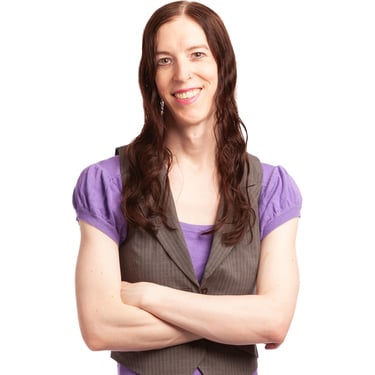
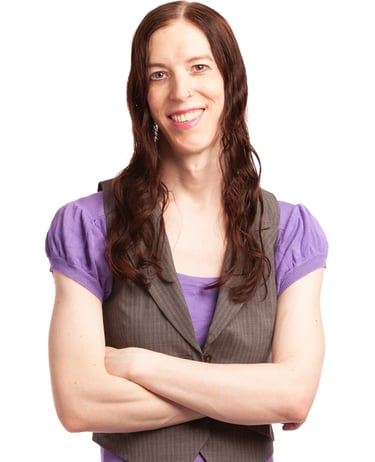
Lacey designed her workshop around exactly that. She's the founder of Neuromix, where she researches how sound, light, smell, temperature, and physical space affect neurodivergent nervous systems, and translates that science into changes people can actually make.
Her workshop gives you the tools to finally see what's actually going on, including a twist most people don't expect. You'll leave with a concrete list: the objects, routines, and habits quietly working against your senses, and exactly what to change first.
Lacey Artemis
(She/They)
The Sensory Nerd, Founder Neuromix Consulting
Email: lacey@neuromixconsulting.com
Panel: Disability or Difference?
Three panelists and a moderator, live and unscripted. Each speaks from lived experience. No verdict. No conclusion. Just perspective.
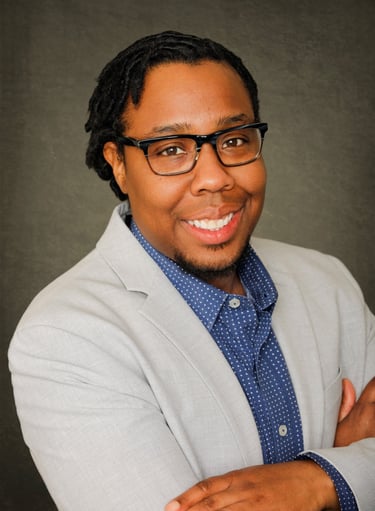
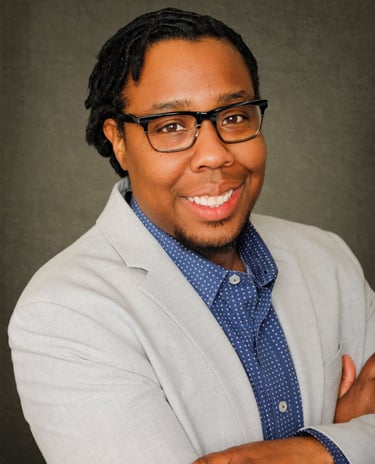
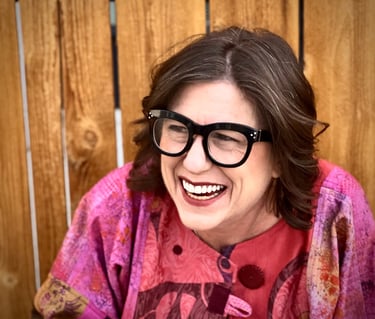
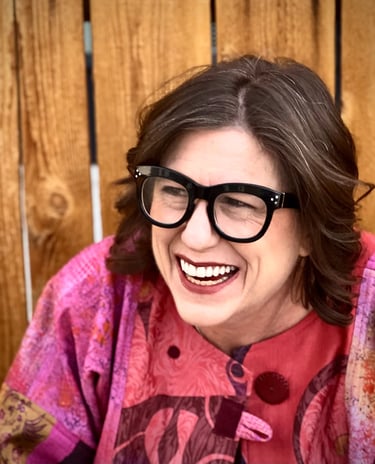
Jen Bennett is a vocational evaluator, neurodivergent coach, advocate, and artist, and the founder of Pendulum Voc and The Autistic Cat. As an AuDHD practitioner navigating chronic illness, hormonal shifts, and a lifetime of masking, she speaks directly to the realities of workplace adaptation. She combines objective data with targeted coaching strategies to help people stop forcing themselves into jobs that weren't designed for their brains.
Revealed Soon...
(She/They)
Vocational Evaluator, Neurodivergent Coach, Advocate, and Artist | Pendulum Voc & The Autistic Cat


Dr. Tricia Diamond
(She/her)
Founder, Diamond PMO Consultants
Jennifer "Jen" Bennett, MA, CRC, CVE
Is neurodivergence a superpower? To some, yes. To others, not even close, it's a disability. And you might land somewhere in the middle.
The goal of this panel isn't to change anyone's mind. It's to add perspective. The same brain that leads complex systems under pressure, spots patterns before anyone else, and stays locked into deep focus for hours can also carry something heavier, decades of masking, years spent wondering what was wrong with you, and workplace battles most people don't see.
Join us as three voices share three different lives. Maybe you'll see yourself in one of them.
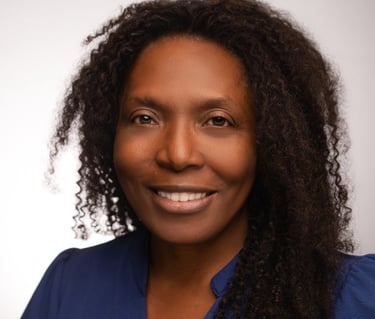
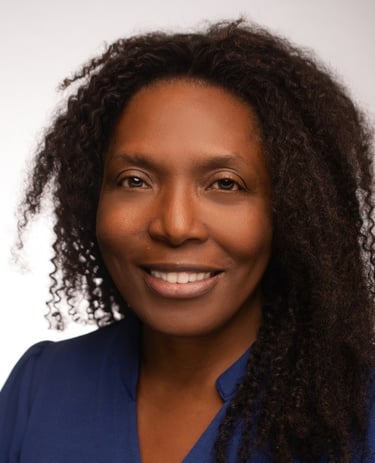
Dr. Tricia Diamond is the founder of Diamond PMO Consultants. A dual U.S.-Dutch citizen, she spent 17 years in the Netherlands working across aerospace, education, and program management before returning to the United States to lead education and government project, program, and portfolio management. She came to understand her own neurodivergence later in life, after decades spent creating systems that worked precisely because of how her brain functions.
Email: treme.diamond@outlook.com
Email: jen@pendulumvoc.com
Ready to invite them?
We made it easy. Use our template below. Just copy, paste, invite.
Subject: Guest interview for [Podcast Name]
Hi [Speaker Name],
My name is [Your Name], host of [Podcast Name]. I came across your work through Social Connections Summit 2026, and I think you'd be a great fit for the show.
[One specific line about why, their talk topic, their background, something that caught your attention.]
If you're open to it, I'd love to have you on as a guest. Happy to work around your schedule.
You can check out the podcast here: [link to podcast]
If you're interested, just reply to this email and we'll find a time that works.
[Your Name]